
Intumescent Coatings for Steel: The Complete Guide to Fire Protection
Structural steel is the backbone of modern commercial construction, but it has a critical vulnerability that every contractor, specifier, and building owner must address: steel loses approximately 50% of its load-bearing strength when temperatures reach 538°C (1000°F). In a building fire, unprotected steel can reach this critical threshold within minutes, leading to structural failure before occupants have time to evacuate.
Intumescent coatings for steel have emerged as the preferred fire protection solution for projects where aesthetics, weight, and application efficiency matter. Unlike bulky cementitious fireproofing that adds inches of material and hides the steel beneath a rough, industrial finish, intumescent coatings provide UL Classified fire ratings of 1 to 2 hours while maintaining a thin, paintable profile that preserves architectural intent.
This guide covers everything fire protection professionals need to specify, apply, and maintain intumescent coatings on structural steel, including cost analysis, application procedures, code compliance requirements, and comparison with alternative fireproofing methods. Whether you're a general contractor evaluating options, a fireproofing applicator preparing for a project, or a specifier developing documentation, this resource provides the technical depth required for informed decision-making.
- •What Are Intumescent Coatings and How Do They Work?
- ◦The Science Behind Intumescent Protection
- ◦Fire Ratings Explained: 30, 60, 90, 120, and 180 Minutes
- ◦Types of Intumescent Coatings
- •Intumescent Coatings vs. Other Steel Fireproofing Methods
- ◦Intumescent Coatings vs. Cementitious Fireproofing
- ◦Intumescent Coatings vs. Board Encasement
- ◦Decision Framework: Choosing the Right Method
- •How Much Do Intumescent Coatings Cost?
- ◦Material Costs Per Square Foot
- ◦Installed Costs by Fire Rating
- ◦Factors That Affect Pricing
- ◦Total Cost of Ownership Analysis
- •ASTM E119 / UL 263 Fire Endurance Testing
- ◦ASTM E84 / UL 723 Surface Burning Characteristics
- ◦International Building Code Requirements
- ◦Certification Documentation
- ◦Canadian Standards: CAN/ULC-S101
- •Maintenance and Lifespan of Intumescent Coatings
- ◦How Long Do Intumescent Coatings Last?
- ◦Inspection Schedule
- ◦When to Recoat or Repair
- •Industry Applications for Intumescent Coatings
- •Selecting an Intumescent Coating for Your Project
- ◦Working with Qualified Applicators
- •Get Started with Intumescent Coatings for Your Steel Project
- ◦Ready to Specify Intumescent Coatings for Your Next Project?
What Are Intumescent Coatings and How Do They Work?
Intumescent coatings are reactive fire protection materials that remain dormant under normal conditions but activate when exposed to elevated temperatures. The term "intumescent" derives from the Latin word meaning "to swell," which describes precisely how these coatings protect steel structures during a fire event.
The Science Behind Intumescent Protection
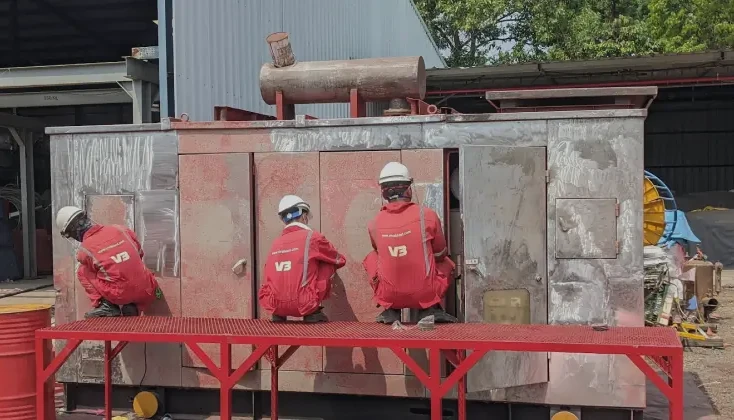
When intumescent coatings reach activation temperatures, typically between 200-250°C (392-482°F), they undergo a sophisticated chemical reaction. The coating's binder system melts, triggering the release of gases from chemical compounds within the formulation. These gases cause the coating to expand dramatically, increasing to 25-50 times its original thickness.
Key Insight
This expansion creates a low-density char layer with exceptional insulating properties. The char acts as a thermal barrier
between the fire and the steel substrate, dramatically slowing heat transfer to the structural member. The goal is to keep
the steel below its critical temperature of 538°C (1000°F) for the duration of the required fire rating period.
The insulating char layer continues to protect the steel even as its outer surface ablates in the fire environment. Well-formulated intumescent coatings maintain char integrity throughout the rated fire exposure period, whether that's 30 minutes, 1 hour, 2 hours, or longer.
Fire Ratings Explained: 30, 60, 90, 120, and 180 Minutes
Fire ratings for intumescent coatings represent the duration that a protected assembly can withstand standardized fire exposure per ASTM E119/UL 263 testing protocols. These ratings correspond to building code requirements based on construction type, occupancy classification, and building height.
| Fire Rating | Typical Application | Building Code Context |
|---|---|---|
| 30 minutes | Light commercial, non-critical members | Minimum protection where required |
| 60 minutes (1-hour) | Standard commercial construction | Type IIA, IIB construction |
| 90 minutes | Enhanced protection requirements | Specific assembly requirements |
| 120 minutes (2-hour) | High-rise, high-occupancy buildings | Type IA, IB construction |
| 180 minutes | Maximum protection | Critical infrastructure, tunnels |
The fire rating achieved depends on multiple factors, including the dry film thickness (DFT) of the coating, the steel section's mass relative to its heated perimeter (W/D ratio), and whether the member is a column, beam, or other configuration. Heavier steel sections with higher W/D ratios require less coating thickness to achieve equivalent fire ratings compared to lighter sections.
Types of Intumescent Coatings
Intumescent coatings are formulated in three primary categories, each suited to different application environments and performance requirements.
Water-Based Intumescent Coatings
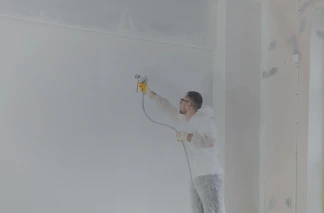
Water-based formulations represent the most common choice for interior commercial applications. These coatings offer low VOC content, easier cleanup, and a smooth finish suitable for architecturally exposed structural steel (AESS). intumescent paint for steel structures exemplifies this category, providing UL Classified 1-hour and 2-hour fire ratings with VOC content of just 0.06 lbs/gal (7 g/l).
Water-based intumescent coatings require controlled application conditions, typically 50-90°F (10-32°C) with humidity below 85%. They are not suitable for exterior applications or environments with moisture exposure before full cure.
Solvent-Based Intumescent Coatings
Solvent-based formulations offer improved durability and moisture resistance compared to water-based alternatives. These coatings tolerate a wider range of application conditions and can be specified for semi-protected exterior locations with appropriate topcoats.
The trade-off is higher VOC content and more stringent ventilation requirements during application. Solvent-based products are often specified for industrial environments where application conditions are less controlled.
Epoxy-Based Intumescent Coatings
Epoxy intumescent coatings provide maximum durability for extreme environments, including offshore platforms, petrochemical facilities, and marine applications. These high-performance systems resist hydrocarbon fires in addition to cellulosic fires and withstand harsh environmental exposure.
Epoxy systems typically involve multi-component mixing and more complex application procedures, with higher material and labor costs reflecting their specialized performance characteristics.
Need Technical Assistance?
Our technical team can help you select the right fire protection solution and ensure compliance with building codes.
Contact Technical TeamIntumescent Coatings vs. Other Steel Fireproofing Methods
Selecting the right fire protection method for structural steel requires understanding how intumescent coatings compare to traditional alternatives. Each approach has distinct advantages depending on project requirements, budget constraints, and aesthetic considerations.
Cementitious fireproofing, also known as spray-applied fire-resistive material (SFRM), has been the default steel protection method for decades. This comparison helps identify when each approach is most appropriate.
| Fire Rating | Intumescent Coating | Cementitious Fireproofing |
|---|---|---|
| Thickness | 1-3mm typical | 25-75mm typical |
| Weight | Minimal structural load | Significant added weight |
| Appearance | Smooth, paintable finish | Rough, cement texture |
| Aesthetics | Ideal for exposed steel | Must be concealed |
| Moisture Resistance | Good (with topcoat) | Poor (absorbs moisture) |
| Installed Cost | $4-12/sq ft | $2-6/sq ft |
| Fire Ratings Available | Up to 3+ hours | Up to 4 hours |
| Application Speed | Moderate | Fast for large areas |
| Durability | Excellent | Prone to damage, flaking |
Advantages of Intumescent Over Cementitious:
Intumescent coatings excel when architectural aesthetics matter. Modern commercial buildings increasingly feature exposed structural
steel as a design element. The thin, smooth finish of intumescent coatings preserves the steel's visual profile while providing
code-compliant fire protection.
Weight considerations favor intumescent coatings significantly. Cementitious fireproofing can add substantial dead load to a structure, potentially requiring larger structural members to compensate. Intumescent coatings add negligible weight.
Durability in occupied spaces also favors intumescent systems. Cementitious materials can crack, flake, and deteriorate when exposed to physical contact, vibration, or moisture. Intumescent coatings maintain their protective properties more reliably over time with proper maintenance.
When Cementitious May Be Preferred:
Cementitious fireproofing remains cost-effective for projects where the steel will be concealed behind finishes. Warehouses, industrial facilities,
and buildings with drop ceilings often specify cementitious for its lower material and labor costs.
For maximum fire ratings exceeding 3 hours, cementitious systems may offer more tested assemblies. Some specialty applications also favor cementitious for its acoustic properties.
Board encasement systems use fire-rated gypsum or calcium silicate boards to enclose steel members within a protective box. This method creates a clean, geometric appearance distinct from both intumescent and cementitious approaches.
| Factor | Intumescent Coating | Board Encasement |
|---|---|---|
| Profile | Follows steel contour | Rectangular enclosure |
| Space Required | Minimal | Adds 2-4" per side |
| Aesthetics | Shows steel profile | Conceals steel completely |
| Installation | Spray/brush applied | Mechanical fastening |
| Moisture Resistance | Good | Excellent |
| Installed Cost | $4-12/sq ft | $5-10/sq ft |
| Retrofit Suitability | Excellent | Good |
Board systems work well for retrofit projects where existing cementitious has failed and for applications requiring moisture resistance. The clean lines appeal to some architectural visions, though the steel itself is no longer visible.
Use this framework to select the appropriate fireproofing method based on project priorities:
Choose Intumescent Coatings When:
- Architectural design features exposed structural steel
- Weight minimization is important
- A paintable, aesthetic finish is required
- Long-term durability in occupied spaces is valued
- The steel is visible to building occupants or visitors
Choose Cementitious Fireproofing When:
- Steel will be concealed behind finishes
- Budget is the primary constraint
- Maximum fire ratings (3-4 hours) are required
- Large areas of simple steel geometry need coverage
- Acoustic damping is beneficial
Choose Board Encasement When:
- Clean, geometric appearance is desired
- Steel must be concealed but not with rough texture
- Moisture resistance is critical
- Retrofit of failed cementitious is needed
How Much Do Intumescent Coatings Cost?
Understanding the full cost picture for intumescent coatings helps project teams budget accurately and evaluate the value proposition against alternatives.
Material costs vary based on the specific product, fire rating requirements, and steel geometry.
| Cost Component | Range | Notes |
|---|---|---|
| Material per gallon | $75-95 | Premium products at higher end |
| Material per sq ft | $0.25-0.60 | Varies by DFT requirement |
| Installed cost per sq ft | $4-12 | Includes labor, equipment, prep |
For FlameOFF Fire Barrier Paint, the theoretical coverage rate is 1,075 sq ft/gal at 1 mil DFT. However, actual coverage depends on the fire rating required:
Coverage Rates by Application:
- Class A flame spread (10 mils DFT): 113 sq ft/gal
- 1-hour fire rating on wood (30 mils DFT): 37 sq ft/gal
- Steel fire ratings: Varies by W/D ratio, use the steel coverage calculator
Fire rating requirements significantly impact total project costs because higher ratings require greater coating thickness.
| Fire Rating | Typical DFT Range | Estimated Installed Cost/sq ft |
|---|---|---|
| 30 minutes | 0.5-1.0mm | $4-6 |
| 60 minutes (1-hour) | 1.0-1.5mm | $5-8 |
| 90 minutes | 1.5-2.0mm | $7-10 |
| 120 minutes (2-hour) | 2.0-3.0mm | $8-12 |
These ranges represent typical commercial projects. Actual costs vary based on factors discussed below.
Steel Section Geometry and W/D Ratio
The weight-to-heated-perimeter ratio (W/D) of steel sections directly impacts coating requirements. Heavier sections with higher W/D values require less coating thickness for equivalent fire ratings. A W14x90 column needs significantly less material than a W8x10 to achieve the same 2-hour rating.
Understanding why steel size matters in fireproofing helps specifiers develop accurate project estimates.
Surface Preparation Requirements
Steel must be clean, dry, and free of mill scale, rust, and contaminants before coating application. New fabricated steel typically requires less preparation than existing or weathered steel. Removing existing coatings or failed fireproofing adds significant cost.
Access and Working Conditions
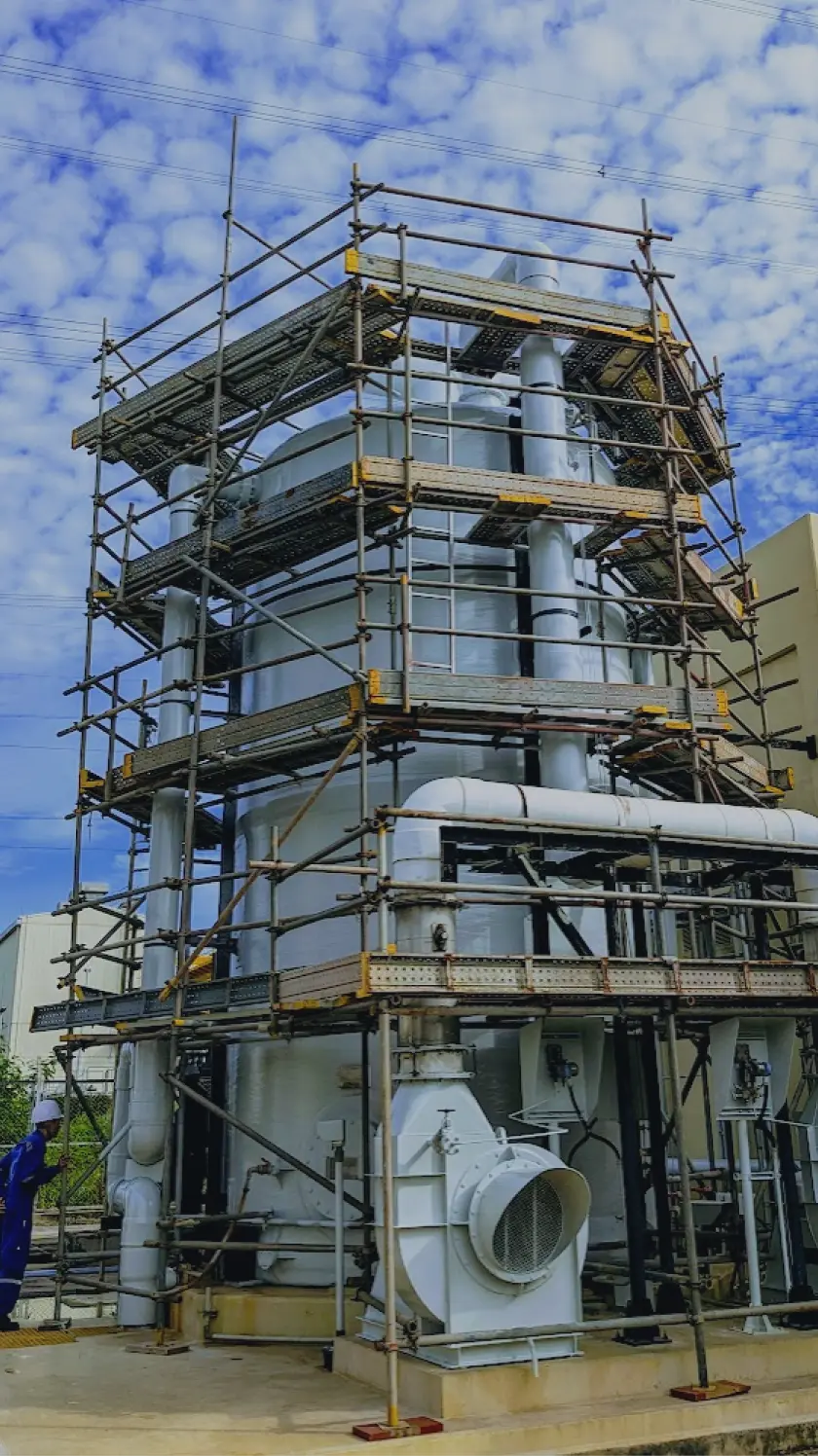
High ceilings, confined spaces, and complex steel configurations increase labor costs. Projects requiring scaffolding, lifts, or work at height carry premium pricing. Shop application before erection is typically more cost-effective than field application for new construction.
Project Scale and Location
Larger projects benefit from economies of scale in material purchasing and labor efficiency. Regional labor rates and material availability affect pricing, with metropolitan areas generally commanding higher costs.
While intumescent coatings carry higher upfront costs than cementitious fireproofing, lifecycle analysis often favors the intumescent approach:
Maintenance Costs:
Intumescent coatings require less frequent repair and replacement than cementitious systems,
which deteriorate from physical contact and moisture exposure.
Renovation Flexibility:
When building layouts change, intumescent coatings adapt more easily. Cementitious removal and replacement is costly and disruptive.
Insurance and Liability:
Some insurers and building owners prefer intumescent systems for their proven long-term performance in occupied spaces.
Aesthetic Value:
For buildings where exposed steel contributes to architectural character,
the aesthetic benefit of intumescent coatings may justify the cost premium.
Download Resources
Access technical documentation and specification guidesASTM E119 (Standard Test Methods for Fire Tests of Building Construction and Materials) is the primary fire endurance test for structural assemblies in North America. UL 263 is the equivalent Underwriters Laboratories standard.
These tests evaluate how long a protected assembly maintains structural integrity and limits heat transmission when exposed to a standardized time-temperature curve that reaches approximately 1000°C (1832°F) at one hour and continues rising.
Key acceptance criteria:
- Steel temperature must remain below critical threshold (typically 538°C/1000°F average, 649°C/1200°F at any point)
- Assembly must maintain structural stability
- For restrained conditions, assembly must prevent passage of flame or hot gases
FlameOFF Fire Barrier Paint is UL Classified to ASTM E119/UL 263 for 1-hour and 2-hour fire ratings, documented under UL Classification CDWZ7.R38327.
ASTM E84 evaluates flame spread and smoke development on building material surfaces. This test generates the Flame Spread Index (FSI) used to classify materials:
| Classification | Flame Spread Index | Smoke Development Index |
|---|---|---|
| Class A | 0-25 | 0-450 |
| Class B | 26-75 | 0-450 |
| Class C | 76-200 | 0-450 |
FlameOFF products achieve Class A ratings, the highest classification for flame spread resistance.
The International Building Code (IBC) mandates structural fire protection based on construction type:
| Construction Type | Structural Frame Rating | Floor/Roof Rating |
|---|---|---|
| Type IA | 3 hours | 2 hours |
| Type IB | 2 hours | 2 hours |
| Type IIA | 1 hour | 1 hour |
| Type IIB | 0 hours | 0 hours |
Building height, area, and occupancy classification determine required construction type. Intumescent coatings can meet requirements for Type IIA, IB, and many IA applications depending on specific assembly configurations.
Code-compliant installations require proper documentation:
UL Classification: Products must carry current UL Classification for the intended application. Verify the UL Classification number (for FlameOFF: CDWZ7.R38327) is valid and covers the proposed assembly.
ICC-ES Evaluation Reports: ICC-ES Listed products (ESR-3874) provide evaluated compliance with IBC/NFPA requirements, simplifying plan review and inspection approval.
Manufacturer Documentation: Technical data sheets, application guides, and thickness schedules must be maintained for inspector review.
Field Documentation: Applicator records including surface preparation verification, primer application, coating batch numbers, WFT/DFT measurements, and cure conditions.
Projects in Canada require CAN/ULC-S101 certification, the Canadian equivalent of ASTM E119. FlameOFF Fire Barrier Paint carries CAN/ULC-S101 certification for Canadian code compliance.
Maintenance and Lifespan of Intumescent Coatings
Properly applied and maintained intumescent coatings provide long-term fire protection, but they require periodic inspection and care to ensure continued performance.
Intumescent coating lifespan varies based on environmental exposure and maintenance:
| Condition | Expected Lifespan |
|---|---|
| Interior, climate-controlled | 20-25+ years |
| Interior, non-conditioned | 15-20 years |
| Protected exterior (with topcoat) | 10-15 years |
| Harsh industrial environment | 10-15 years |
With optimal conditions and proper maintenance, some intumescent systems have demonstrated performance exceeding 30 years. Regular inspection allows early identification of areas requiring attention.
Intumescent coating lifespan varies based on environmental exposure and maintenance:
Annual Visual Inspection:
- Check for visible damage, cracking, or delamination
- Verify coating integrity at connections and penetrations
- Document any areas of concern
- Compare to baseline thickness measurements
Five-Year Detailed Inspection:
- Measure DFT at representative locations
- Compare to original installation records
- Assess any areas of repair or deterioration
- Review maintenance history
Post-Event Inspection:
- After any fire event, earthquake, or significant building incident
- After water damage or flooding
- After construction activity near protected steel
Minor Damage: Small areas of mechanical damage, scratches, or chips can be repaired by cleaning the affected area and applying touch-up coating to restore specified DFT.
Moderate Deterioration: If inspection reveals widespread minor issues or localized areas of concern, targeted repair and topcoat application may extend service life.
Major Degradation: Extensive damage, delamination, or thickness loss below minimum requirements necessitates removal and complete reapplication.
Proactive Topcoating: Applying a protective topcoat before environmental exposure causes degradation can significantly extend intumescent coating lifespan. For FlameOFF Fire Barrier Paint in non-conditioned spaces, Tnemec 1028 is the UL tested and approved topcoat option.
Intumescent coatings protect structural steel across diverse sectors where fire protection, aesthetics, and performance converge.
Commercial Construction:
Office buildings, retail centers, and hospitality projects increasingly specify intumescent coatings for exposed structural
steel designs. The Lforma case study in New York City demonstrates 2-hour fire protection on steel beams in a commercial
construction application where aesthetic finish quality was essential.
Industrial Facilities:
Manufacturing plants, warehouses, and processing facilities benefit from intumescent coatings' durability and resistance to
industrial environments. The thin profile avoids interference with equipment clearances and overhead crane operations.
Architecturally Exposed Structural Steel (AESS):
Modern architectural trends embrace exposed steel as a design element. Museums, airports, arenas, and contemporary office
buildings showcase structural steel finished with intumescent coatings that provide fire protection without compromising visual intent.
Retrofit and Renovation:
Existing buildings with deteriorated cementitious fireproofing or inadequate fire protection are candidates for intumescent retrofit.
The application process creates less disruption than cementitious replacement, and the finished appearance often exceeds original specifications.
With project requirements defined, selecting the right intumescent coating involves matching product capabilities to application demands.
KEY SELECTION CRITERIA
Fire Rating Requirements: Verify the product is UL Classified for the required fire rating duration on your specific steel configurations. Check that tested assemblies match your design.
Application Environment: Interior-only products like FlameOFF Fire Barrier Paint suit most commercial applications. For exterior or moisture-exposed steel, contact our technical team for a suitable specification.
Substrate Compatibility: Confirm the product is tested and listed for your substrate. FlameOFF Fire Barrier Paint is UL Classified for steel, gypsum, and wood substrates.
Aesthetic Requirements: Consider finish appearance, topcoat compatibility, and color options. Water-based intumescent coatings typically offer the smoothest finish for AESS applications.
Application Method: Match product viscosity and working characteristics to your application equipment and crew experience.
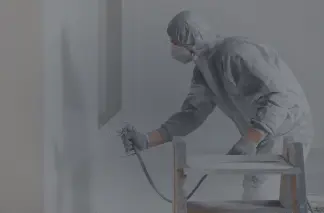
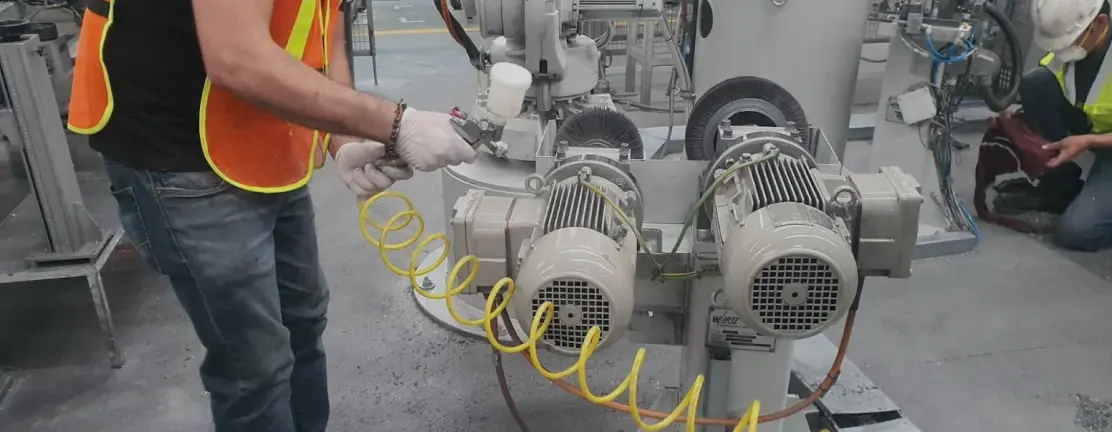
Intumescent coating application requires training and experience to achieve specified results consistently. Consider:
- Applicator familiarity with the specific product
- Documentation and quality control procedures
- Inspection and verification capabilities
- Manufacturer training or certification
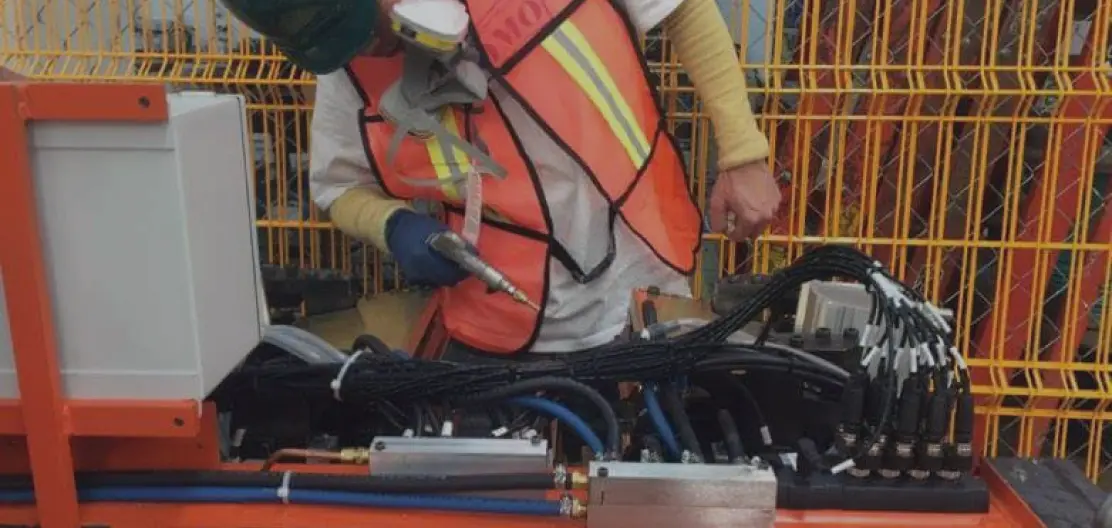
FlameOFF's certified applicator network connects project teams with qualified professionals experienced in intumescent application.
Coatings for Your Steel Project
Protecting structural steel with intumescent coatings requires balancing fire protection requirements, aesthetic goals, and project economics. This guide has covered the technical foundations, but every project has unique characteristics that benefit from expert consultation.
Key Takeaways:
- Intumescent coatings provide UL Classified fire ratings up to 2 hours while maintaining thin, paintable profiles
- Installed costs range from $4-12 per square foot depending on fire rating and project complexity
- Proper surface preparation, primer application, and thickness verification are critical for code-compliant installations
- Regular inspection and maintenance ensure long-term performance over 20+ year lifespans
- Product selection must match fire rating requirements, environmental exposure, and aesthetic goals
Intumescent coating application requires training and experience to achieve specified results consistently. Consider:
Use the FlameOFF steel coverage calculator to estimate material requirements based on your steel sections and fire rating needs. For complex projects or technical questions, contact the FlameOFF technical team directly or request an estimate for your specific application.
FlameOFF Coatings provides UL Classified intumescent fire protection backed by ICC-ES evaluation reports, comprehensive technical documentation, and direct manufacturer support. Fire protection is our expertise, and we're here to help you get it right.
Sources:
- American Institute of Steel Construction (AISC): Fire Protection Resources
- ASTM International: ASTM E119 Standard
- Underwriters Laboratories: UL Product iQ Database
- International Code Council: International Building Code (IBC)
- National Fire Protection Association (NFPA): Fire Protection Standards